Sátántangó
“A genuine masterpiece” – Cahiers du Cinéma
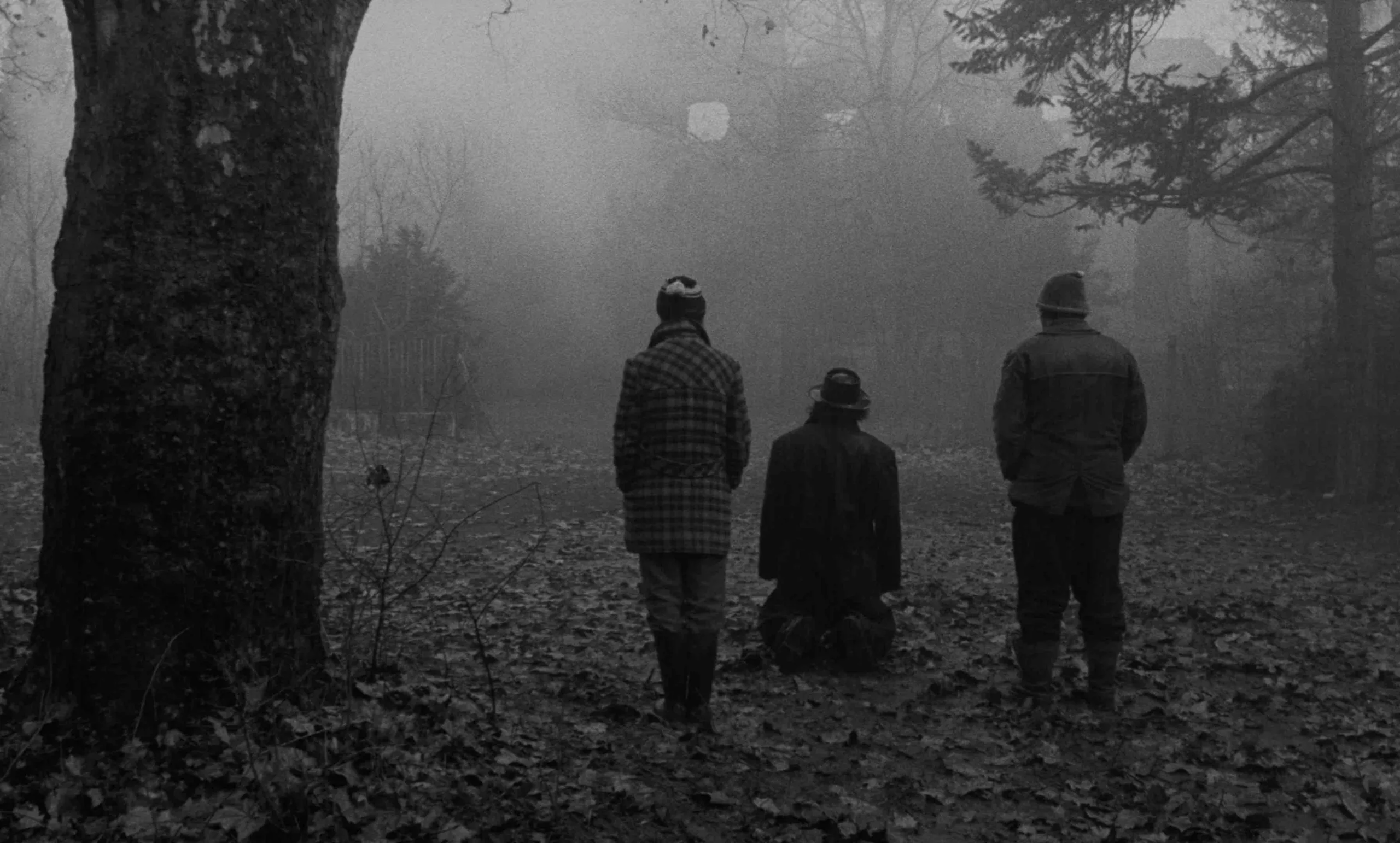
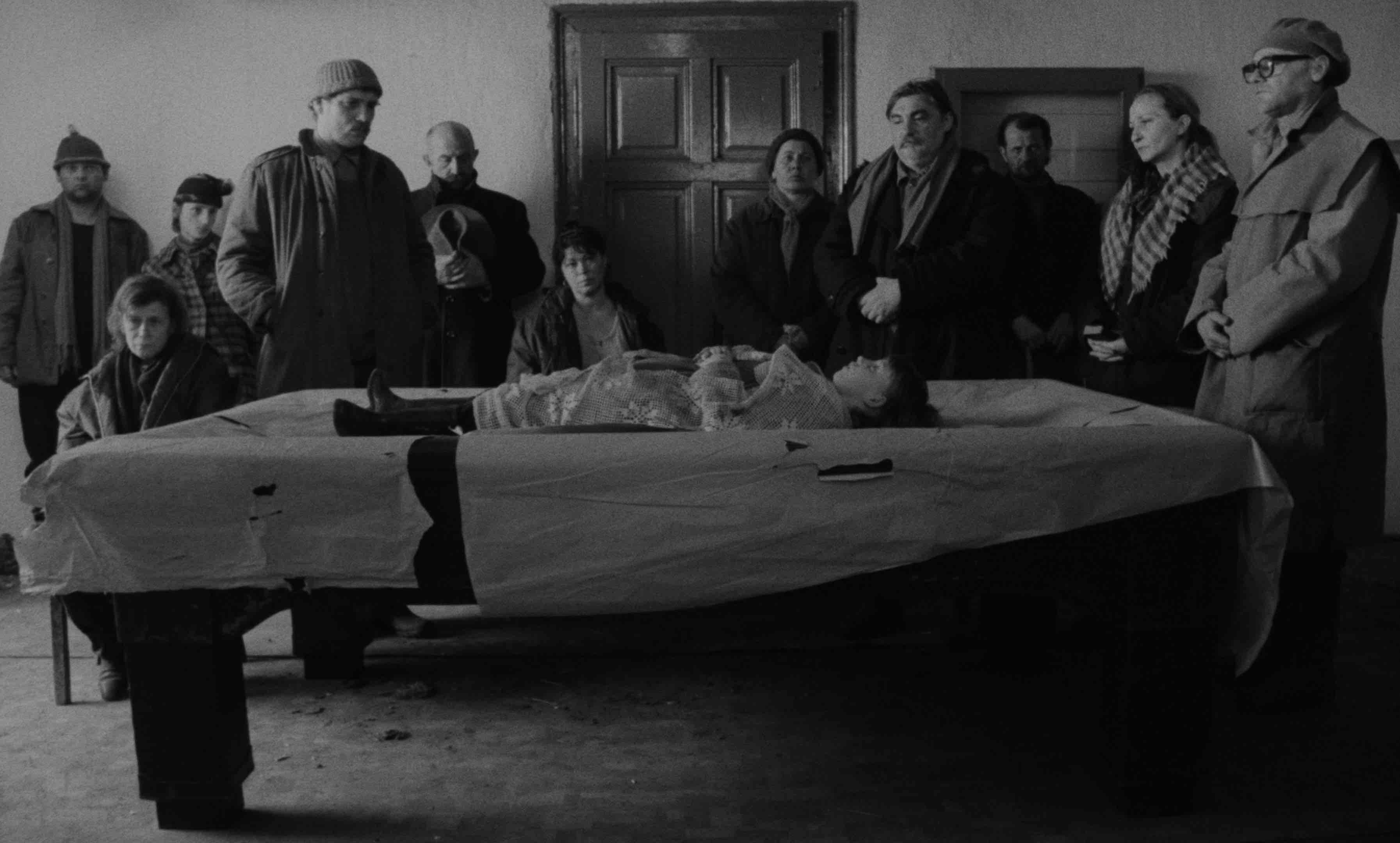
One of the greatest achievements in recent art house cinema and a seminal work of “slow cinema,” Sátántangó, based on the book by László Krasznahorkai, follows members of a small, defunct agricultural collective living in a post-apocalyptic landscape after the fall of Communism who, on the heels of a large financial windfall, set out to leave their village. As a few of the villagers secretly conspire to take off with all of the earnings for themselves, a mysterious character, long thought dead, returns to the village, altering the course of everyone’s lives forever.
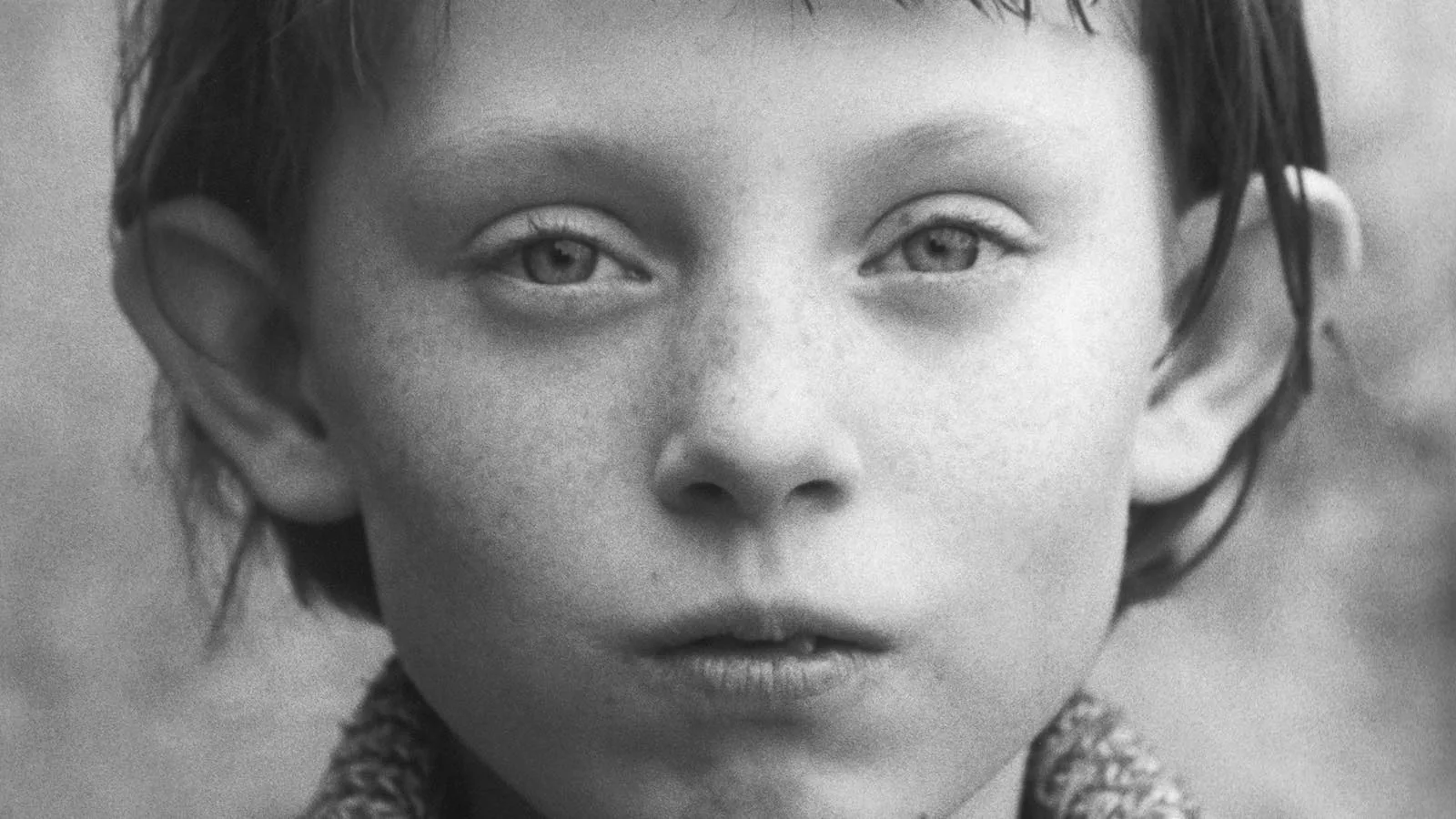
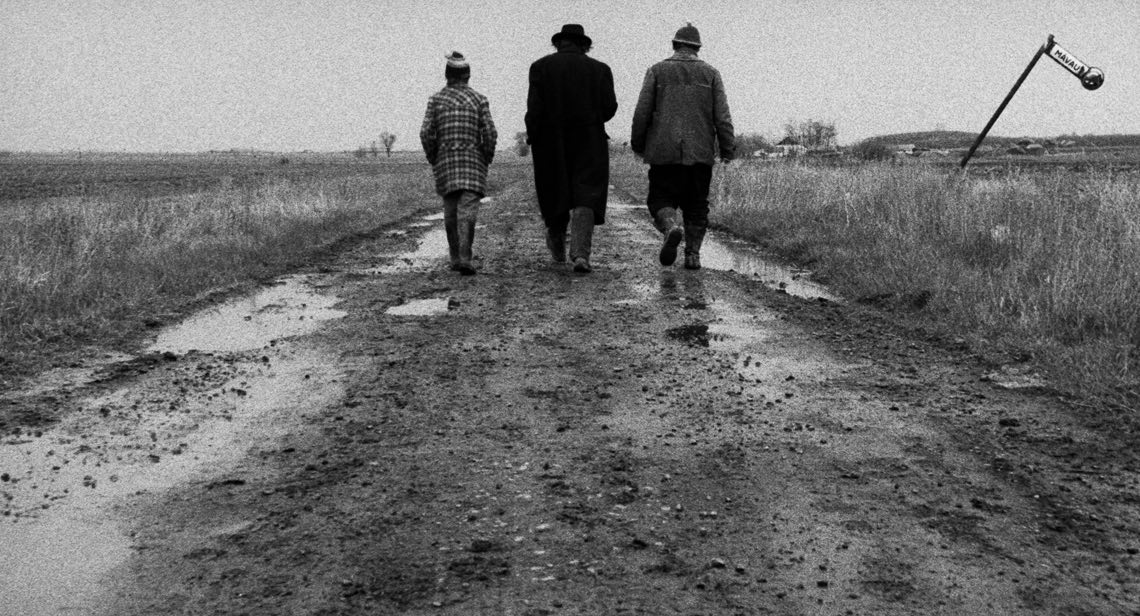
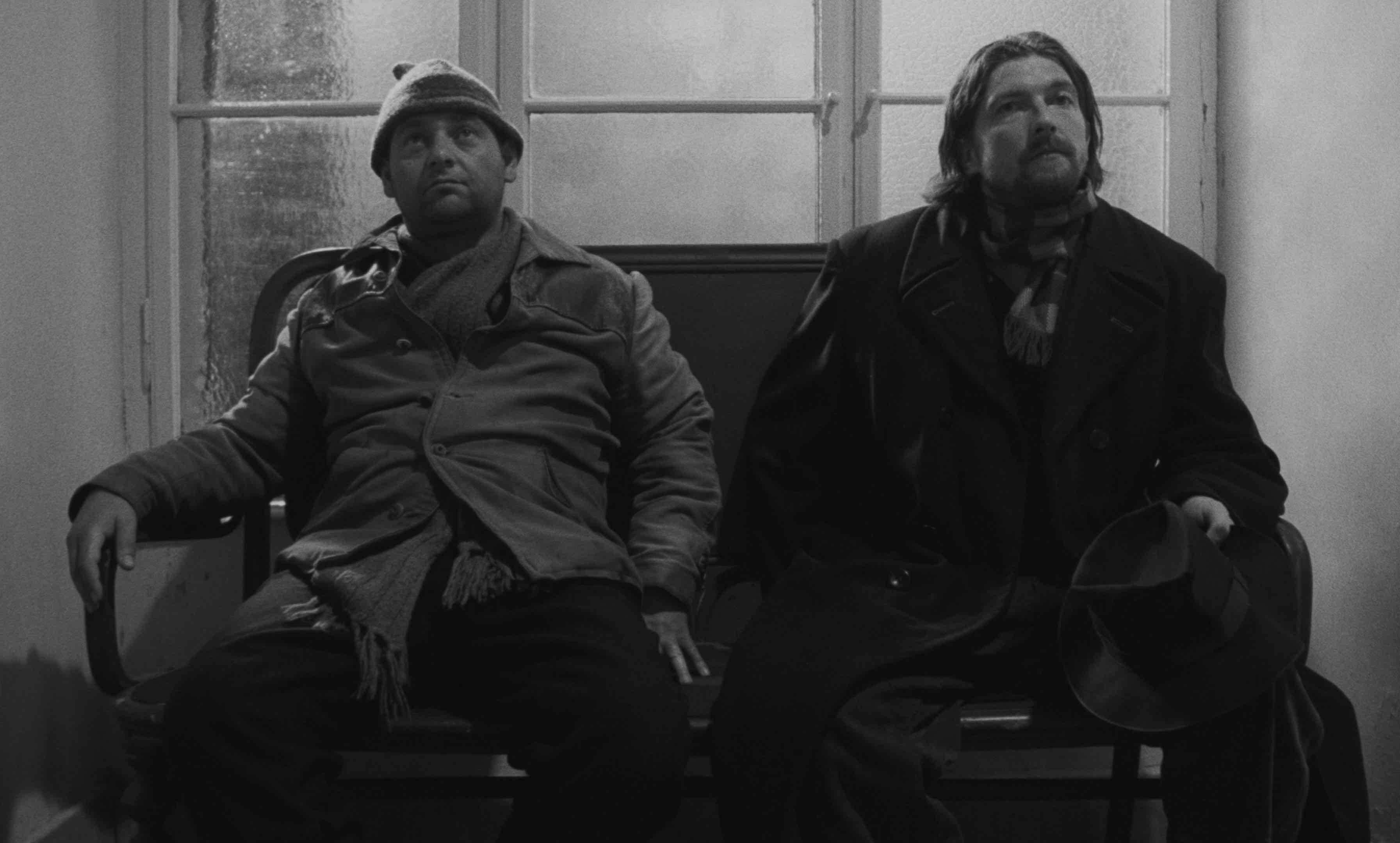
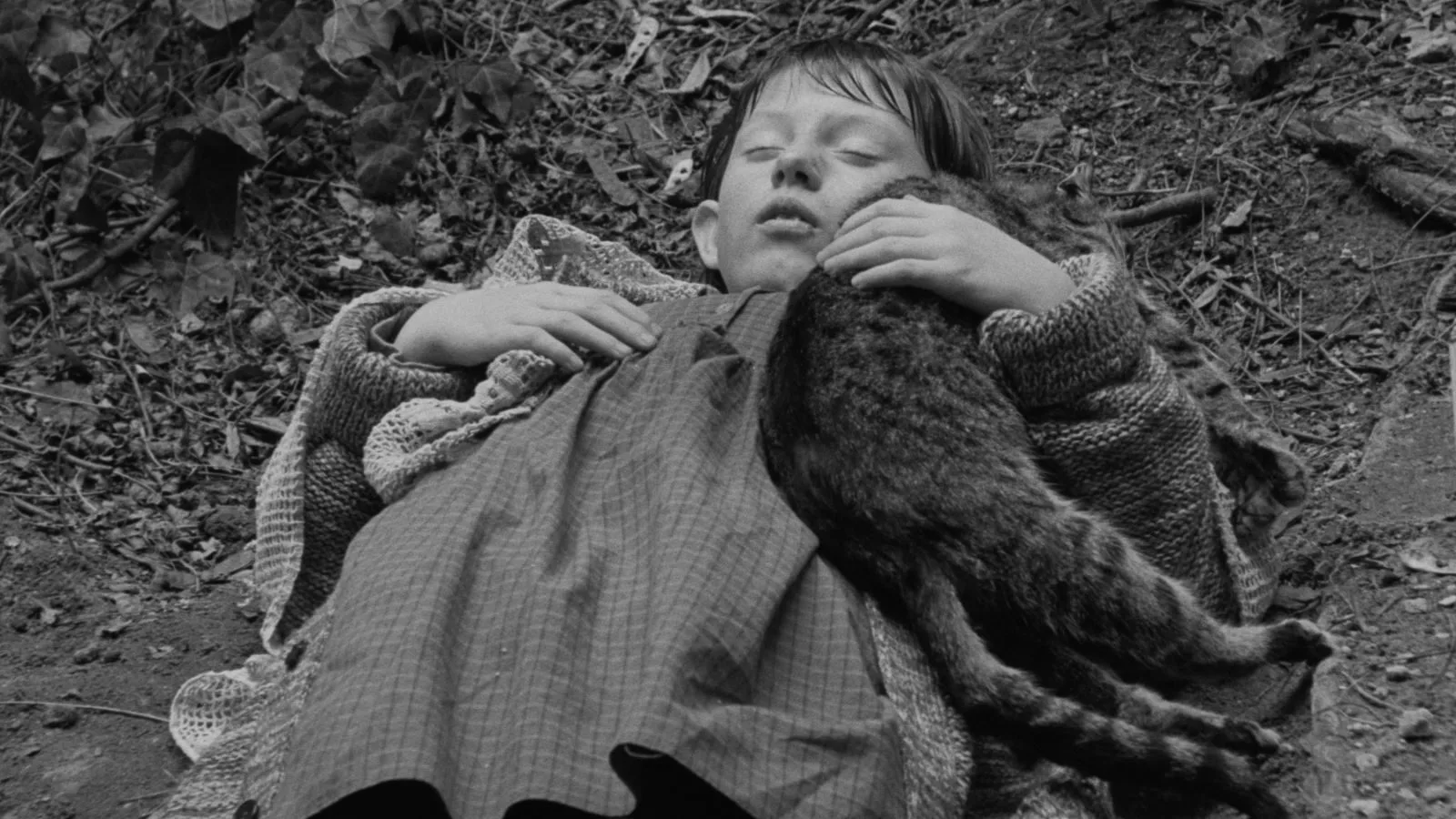
Shot in stunning black-and-white by Gábor Medvigy and filled with exquisitely composed and lyrical long takes, Sátántangó unfolds in twelve distinct movements, alternating forwards and backwards in time, echoing the structure of a tango dance. Tarr’s vision, aided by longtime partner and collaborator Ágnes Hranitzky, is enthralling and his portrayal of a rural Hungary beset by boozy dance parties, treachery, and near-perpetual rainfall is both transfixing and uncompromising. Sátántangó has been justly lauded by critics and audiences as a masterpiece and inspired none other than Susan Sontag to proclaim that she would be “glad to see it every year for the rest of [her] life”.
Part of the Three in the Key of Tarr series. Presented with 2 intermissions.
Section 1 (chapters 1-3) = 2h 17m
15 minute break
Section 2 (chapters 4-6) = 2h 4m
25 minute break
Section 3 (chapters 7-12) = 2h 57m
Sátántangó was restored in 4K from the original 35mm camera negative by Arbelos in collaboration with The Hungarian Filmlab.
#36 on the Sight & Sound / BFI’s Critic’s Poll of the 100 Greatest Films Ever Made.
