Bleak Week: Cinema of Despair
The Turin Horse
Introduction by Steven Kovacs 6/11
Steven Kovacs is an Oscar nominated producer and director of feature films and documentaries. Professor and Chair of Cinema at San Francisco State, he is an expert on Eastern European cinema, particularly of his native Hungary.
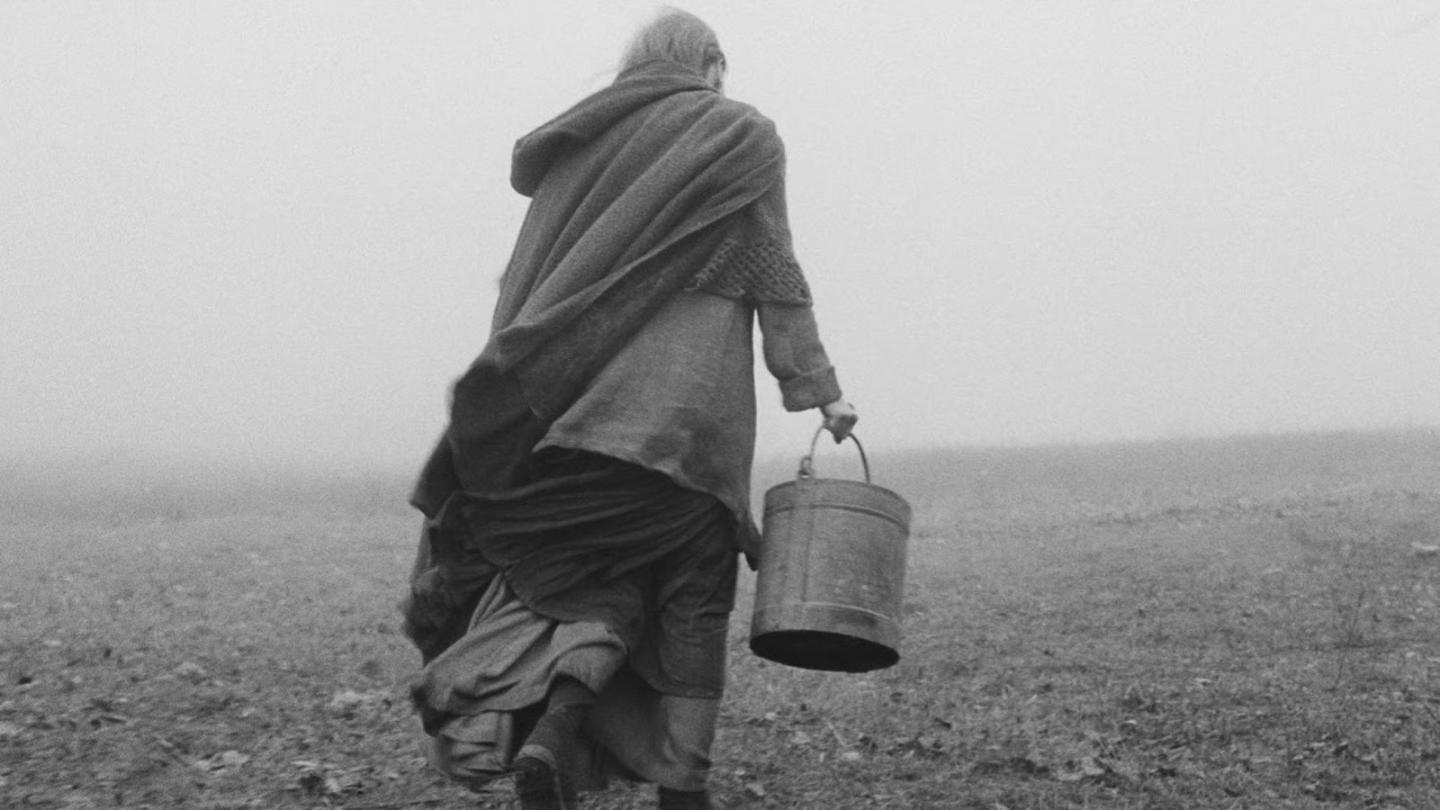
Composed in rigorously measured long takes and photographed in stark black and white, Béla Tarr’s final feature is an elemental meditation on endurance, exhaustion, and the limits of belief.
On January 3, 1889 in Turin, Italy, Friedrich Nietzsche steps out of the doorway of number six, Via Carlo Albert. Not far from him, a cab driver is having trouble with a stubborn horse. The horse refuses to move, whereupon the driver loses his patience and takes his whip to it. Nietzsche puts an end to the brutal scene, throwing his arms around the horse’s neck, sobbing. After this, he lies motionless and silent for two days on a divan, until he loses consciousness and his mind. Somewhere in the countryside, the driver of the cab lives with his daughter and the horse. Outside, a windstorm rages. Immaculately photographed in Tarr’s renowned long takes, The Turin Horse is the final statement from a master filmmaker.
Part of Bleak Week: Cinema of Despair, a global series presented in partnership with the American Cinematheque.
